
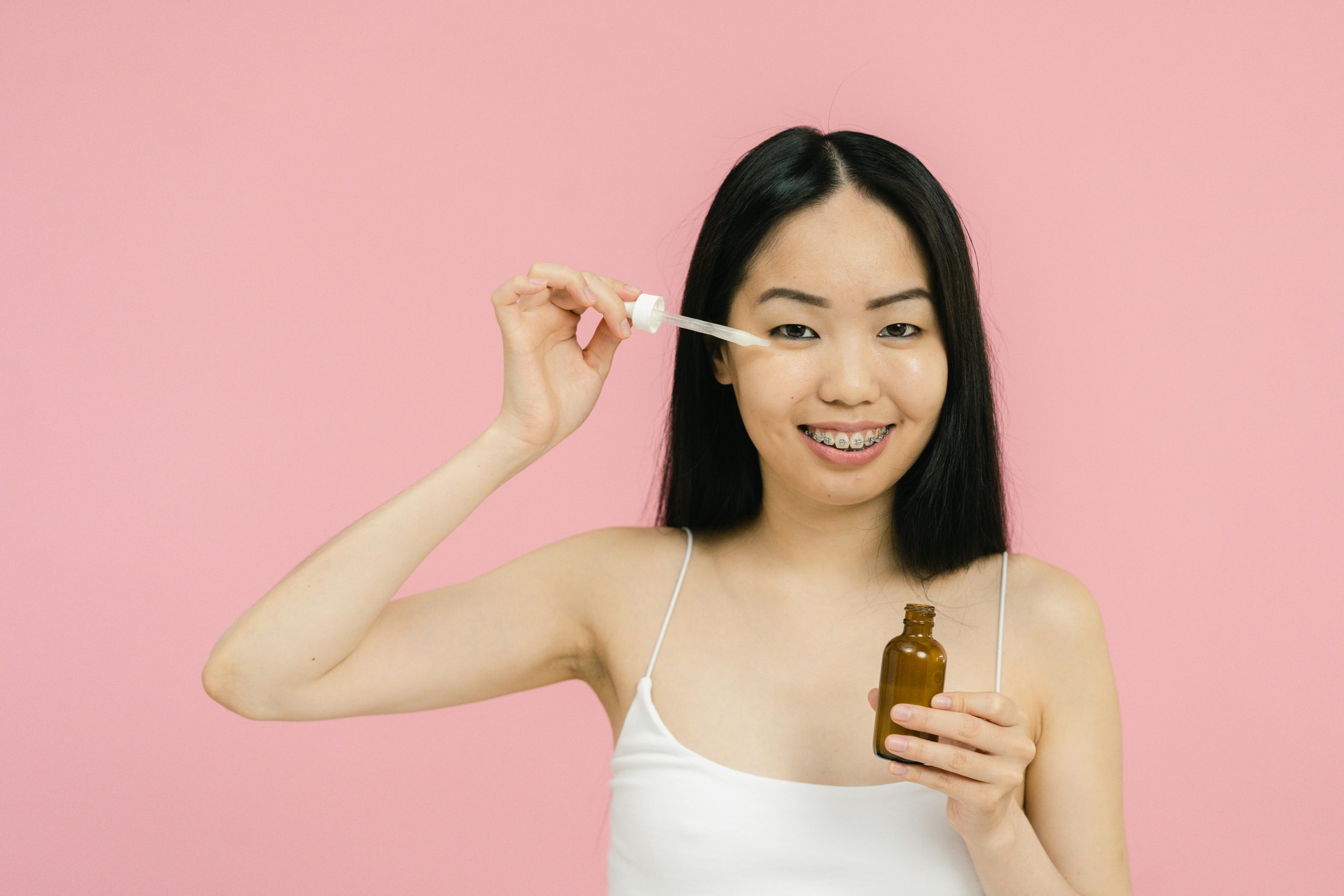
If you’ve ever explored the world of skincare, you’ve probably heard about retinol — the celebrated ingredient known for its anti-aging and skin-renewing properties. But with so much hype, it’s easy to feel unsure about how it works, who should use it, and what to expect. Understanding retinol’s benefits, proper use, and potential side effects can help you decide if it deserves a place in your skincare routine.
At dailydrizzlelife.com, we believe in demystifying skincare ingredients so you can make informed choices. Here’s the truth about retinol, explained in a simple and reader-friendly way.
What Is Retinol?
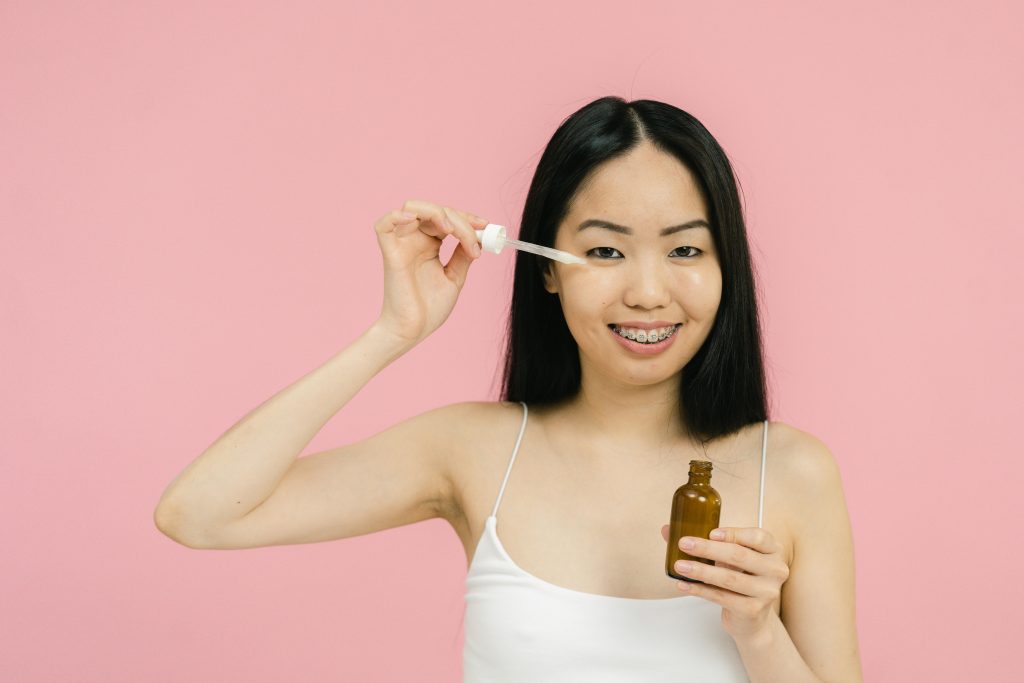
Retinol is a derivative of vitamin A, a powerful compound that promotes skin cell turnover. By accelerating the production of new skin cells, retinol helps reduce the appearance of fine lines, wrinkles, uneven texture, and dark spots. It also stimulates collagen production, which keeps the skin firm and elastic over time.
Pro tip: Retinol is available in various strengths and formulations, including serums, creams, and over-the-counter products. Prescription-strength retinoids are even more potent and should be used under guidance from a dermatologist.
The Benefits of Retinol
- Reduces Signs of Aging
Retinol helps smooth fine lines and wrinkles by boosting collagen and elastin production. With consistent use, it can restore a youthful, plump appearance. - Improves Skin Texture and Tone
By promoting cellular turnover, retinol encourages the shedding of dead skin cells, leaving the skin smoother and more radiant. It also helps fade hyperpigmentation, sunspots, and post-acne marks. - Fights Acne
Retinol unclogs pores and prevents the buildup of dead skin cells that can cause breakouts. It’s often recommended for both teen and adult acne. - Boosts Product Absorption
By gently resurfacing the skin, retinol helps other skincare products penetrate more effectively, enhancing their results.
How to Use Retinol Safely
Retinol is powerful but can be potent, especially for beginners. Using it correctly is key to enjoying benefits while minimizing irritation.
Tips:
- Start slowly: Begin with 1–2 nights a week, gradually increasing frequency as your skin adjusts.
- Use a pea-sized amount for the entire face — more is not better.
- Apply at night, as retinol can make your skin more sensitive to sunlight.
- Always follow with a moisturizer to reduce dryness and irritation.
- Use sunscreen daily — UV exposure can counteract retinol’s effects and increase sensitivity.
Potential Side Effects
While retinol is highly effective, it can cause temporary side effects, especially for beginners or those with sensitive skin:
- Redness and irritation
- Dryness or flakiness
- Mild burning or tingling upon application
- Increased sun sensitivity
Pro tip: If side effects persist, reduce frequency, try a lower-strength formula, or layer retinol under a moisturizer to buffer its effects. Patience is key — it can take 6–12 weeks to see noticeable improvements.
Who Should Avoid Retinol
Retinol is generally safe for adults, but certain groups should use caution or consult a dermatologist:
- Pregnant or breastfeeding individuals (retinoids can be harmful during pregnancy)
- People with extremely sensitive or compromised skin
- Those using other strong active ingredients, like chemical exfoliants, without guidance
Final Thoughts
Retinol is one of the most effective skincare ingredients for addressing aging, acne, and uneven skin texture. When used correctly, it can transform your complexion, leaving skin smoother, firmer, and more radiant. However, understanding its potency, potential side effects, and proper application is crucial to achieving results safely.
At dailydrizzlelife.com, we believe that knowledge is the key to confident skincare. Retinol is a powerful ally for youthful, healthy skin — but only when incorporated mindfully into a consistent routine. With the right approach, you can enjoy all its benefits while keeping irritation and sensitivity to a minimum. ✨







Leave a Reply